End-of-life doula care · Lorraine Cestone

You don't have to walk this part alone.

When someone you love is nearing the end of life, there is so much to hold at once. I offer calm, compassionate, non-medical support to the person who is dying and to the family around them, before, during, and after the death.

What a death doula does

A steady presence alongside medical care

A death doula is a trained companion for the end of life. Where doctors and nurses tend to the body, a doula tends to everything else: the fears, the wishes, the conversations, and the people in the room.

I work alongside hospice and palliative teams, never in place of them. My role is to make space for what matters most to the person who is dying, to help families understand what they are seeing, and to make sure no one feels lost or alone in the process.

Having worked in hospice care, I know how quickly things can change and how much families carry. My aim is simple: that the end of a life can be met with as much peace, dignity, and intention as possible.
How I can help

Support for the whole journey

Every family's path is different. Some reach out months ahead; others call in the last days. I meet you wherever you are.

Before

End-of-life planning

Putting wishes into words while there is time, so decisions later feel clear instead of rushed.

  • Guidance with advance directives and care wishes
  • Legacy projects: letters, recordings, memory books
  • Planning the vigil: music, readings, who is present
  • Facilitating hard conversations within the family

During

Bedside & vigil support

A calm, experienced presence in the final days and hours, at home or in a care setting.

  • Comfort measures: touch, voice, atmosphere, stillness
  • Explaining the signs of active dying as they appear
  • Sitting vigil so family can rest, eat, and breathe
  • Honoring rituals and spiritual or cultural practices

After

Family & grief support

Care for the people who remain, in the first hours after a death and in the weeks that follow.

  • Gentle guidance through the first hours after death
  • Space to reflect on and process the experience
  • Help with next steps and memorial planning
  • Connection to grief resources and community
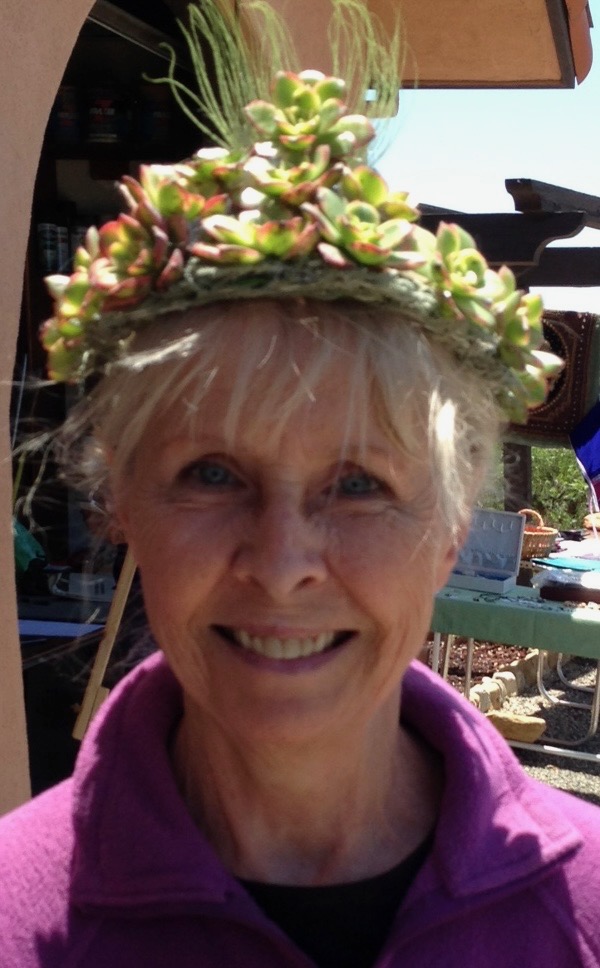
Lorraine Cestone, smiling, wearing a crown of succulents

About Lorraine

Lorraine Cestone

I am a certified end-of-life doula with a background in hospice care. Years at the bedside taught me that dying is not only a medical event. It is a deeply human one, and it asks for time, patience, and presence that busy care teams can't always give.

I started A Mindful Transition to offer that presence to individuals and families: someone who can listen without hurry, explain what is happening, and help everyone involved feel prepared and supported.

I come without an agenda. Your values, beliefs, and traditions guide the care, and my job is to honor them.

Certified End-of-Life Doula Hospice care experience Non-medical, whole-person support

Getting started

How we begin

  1. Book a time

    Choose a time that works for you on my calendar. The first conversation is free and there is no obligation.

  2. We talk

    Tell me about your loved one and your situation. I'll listen, answer your questions, and explain how I might help.

  3. A plan for care

    Together we shape support that fits your family, your timeline, and your loved one's wishes.

Questions

Common questions from families

Is a death doula a medical provider?

No. I don't provide medical care or give medications. I offer emotional, practical, and spiritual support, and I work respectfully alongside your loved one's doctors, nurses, and hospice team.

We already have hospice. Why add a doula?

Hospice teams are wonderful, but their visits are often brief and scheduled. A doula can spend unhurried time with your family, help with planning and legacy work, sit vigil, and stay with you through the moments between visits.

When is the right time to reach out?

Any time. Many families call soon after a serious diagnosis so there is time to plan. Others reach out in the final days. It is never too early, and it is rarely too late.

Can you help someone who is planning for their own death?

Yes. I work with individuals who want to think through their wishes, create a legacy project, or simply talk openly about dying with someone who is comfortable with the subject.

Do you support the family after the death?

Yes. I can be present in the first hours after a death, help with next steps, and check in during the weeks that follow as your family begins to grieve.

What does it cost?

Support is tailored to each family, so we'll talk through options and fees during your free first conversation.

Whenever you're ready

Let's talk about what you and your family need.

A free, unhurried conversation to answer your questions and see if I'm the right fit.

Book a free conversation